
Displaying items by tag: tennessee state parks
By Lost Creek, Scott's Gulf grows
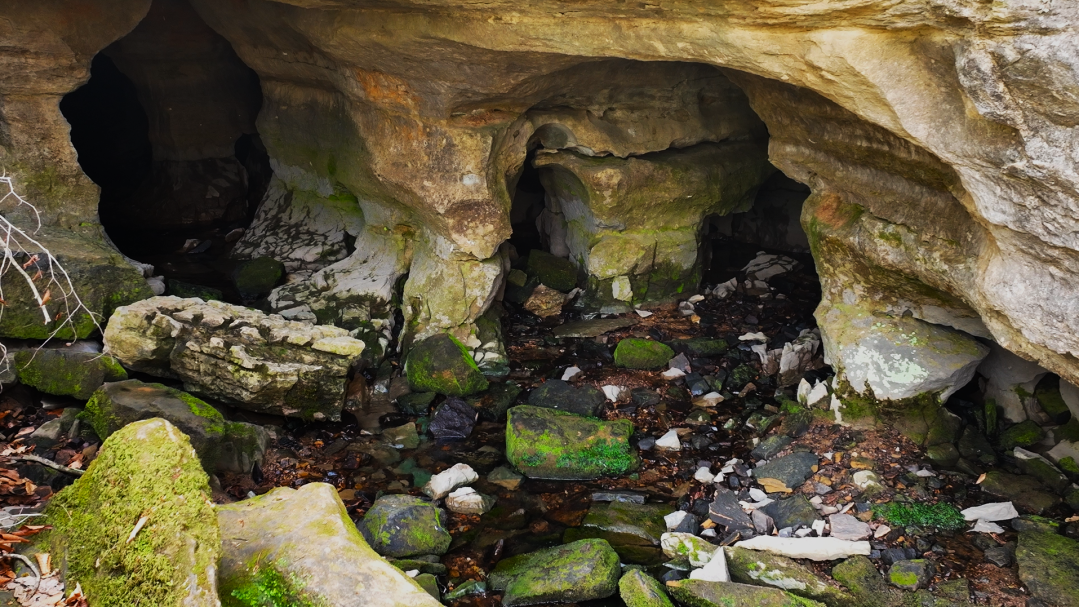 As this drone photo illustrates, sandstone bluffs, hidden waterfalls, and winding streams make Lost Creek State Natural Area a treasured destination in Tennessee. Jon D. Bumpus
Scott's Gulf Wilderness State Park grows by 413 acres through collaborative conservation
SPARTA — TennGreen Land Conservancy, The Nature Conservancy, and The Conservation Fund transferred 413 acres of ecologically significant land to the state of Tennessee, expanding Scott's Gulf Wilderness State Park and permanently protecting another remarkable piece of the Cumberland Plateau.
Just beyond the towering sandstone bluffs, hidden waterfalls, and winding streams that make nearby Lost Creek State Natural Area a treasured destination, expansive hardwood forests blanket the landscape. They shelter headwater streams, expansive cave systems, and diverse wildlife. By adding this additional acreage to Scott's Gulf Wilderness State Park, conservation partners have ensured that one of Tennessee's most ecologically rich landscapes will remain intact, preserving sensitive habitats for generations to come.
“Tennessee State Parks is grateful for the continued leadership and expertise of our NGO partners. Their commitment plays a vital role in the development of Scott’s Gulf Wilderness State Park and ensuring these exceptional natural resources are protected for the benefit of future generations,” said Chris Padgett, director of Tennessee State Parks.
“This newly protected property encompasses a remarkable, diverse mosaic of mature forest, farmland, and critical waterways abutting Lost Creek and Dry Creek,” added Alice Hudson Pell, executive director of TennGreen. “These waterways contribute to the broader hydrological system of the Cumberland Plateau while flowing through one of Tennessee's most remarkable karst landscapes.”
- scotts gulf
- cumberland plateau land preservation
- tenngreen land conservancy
- sparta tennessee
- the nature conservancy in tennessee
- the conservation fund
- scotts gulf wilderness state park
- chris padgett
- tennessee state parks
- lost creek state natural area
- alice hudson pell
- hiking in middle tennessee
- hiking on the cumberland plateau
Growing the Head of the Crow
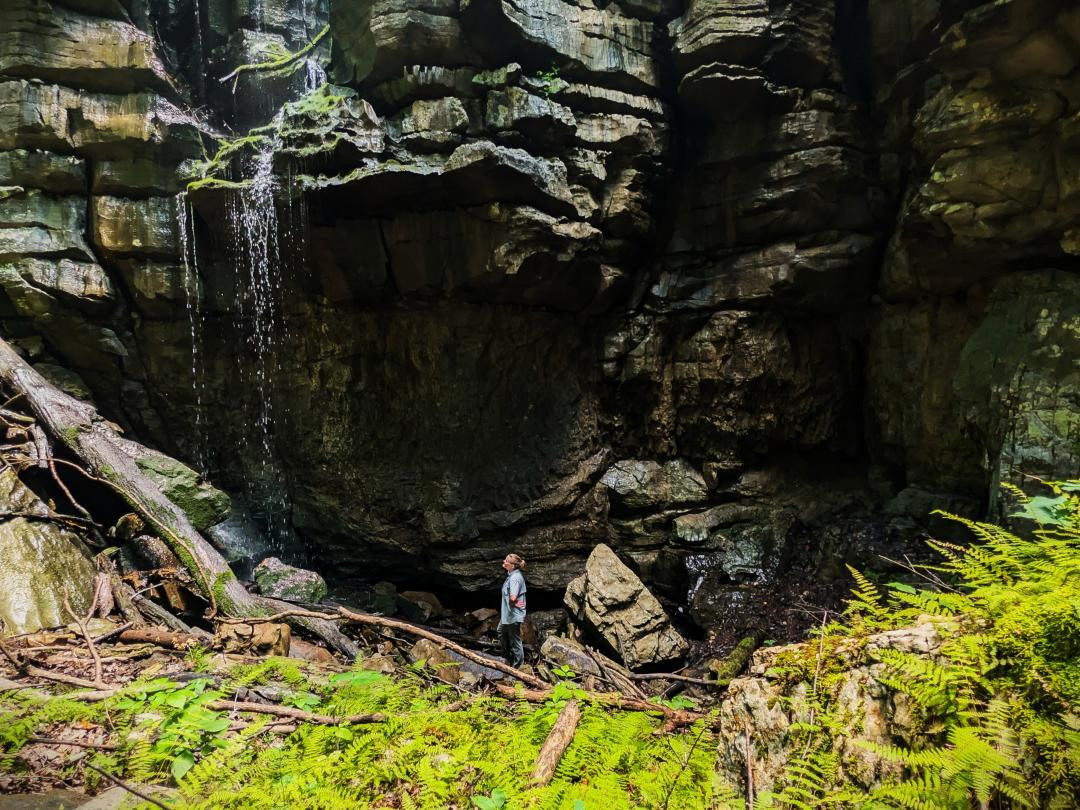 TennGreen and other conservation and preservation organizations acquired land in Franklin County to expand Head of the Crow State Park. The expansion will create a more connected and resilient landscape that benefits wildlife, protects vital watersheds, and enhances public access to nature. Jon D. Bumpus
State Park expansion further protects biodiversity of South Cumberland Plateau
Jon D. Bumpus is the director of communications for the TennGreen Land Conservancy.
SEWANEE — TennGreen Land Conservancy, The Nature Conservancy in Tennessee, and The Conservation Fund have jointly secured another significant conservation victory on the South Cumberland Plateau.
The partnership added approximately 550 acres to Head of the Crow State Park in Franklin County through a collaborative acquisition effort made possible by funding from the Open Space Institute (OSI), Tennessee’s Heritage Conservation Trust Fund (HCTF), and Lyndhurst Foundation. The project represents the latest example of how conservation partnerships are protecting some of the state’s most ecologically important landscapes while expanding opportunities for outdoor recreation and public enjoyment.
Head of the Crow State Park protects the headwaters of Crow Creek and encompasses a remarkable collection of forests, caves, streams, and rare species habitat. The park serves as a gateway to some of the most biologically rich landscapes in Tennessee. These lands support federally threatened and endangered species while safeguarding the clean water resources that flow from the plateau into surrounding communities.
As highlighted by State Naturalist Roger McCoy, Director of the Tennessee Division of Natural Areas, “Head of the Crow straddles both the sandstone-dominated Plateau top that contains acidic bog-like habitats supporting rare orchids and other wetland species. The western edge of the park descends into limestone-dominated Crow Creek Valley with numerous outcrops and caves. These rocky outcrops support species unique to this region including the painted tiger snail, Morefield’s leatherflower, Cumberland rosinweed, and Cumberland pagoda plant.”
Compare notes on environmental education at annual conference

NATCHEZ TRACE — The 2024 Tennessee Environmental Education Association annual conference is set for Sept. 19-21 at Natchez Trace State Park.
The conference is open to any adult interested in education with the natural world as the foundation. Earn up to 31 PD/CE credits and network with an amazing and diverse group of educators from across Tennessee. The conference welcomes K-12 formal educators, informal educators, and more.