
The Environmental Journal of Southern Appalachia
Friday, 28 August 2026 22:10

Head down yonder for the Knoxville pawpaw-palooza

Written by Rick Vaughan and Thomas Fraser

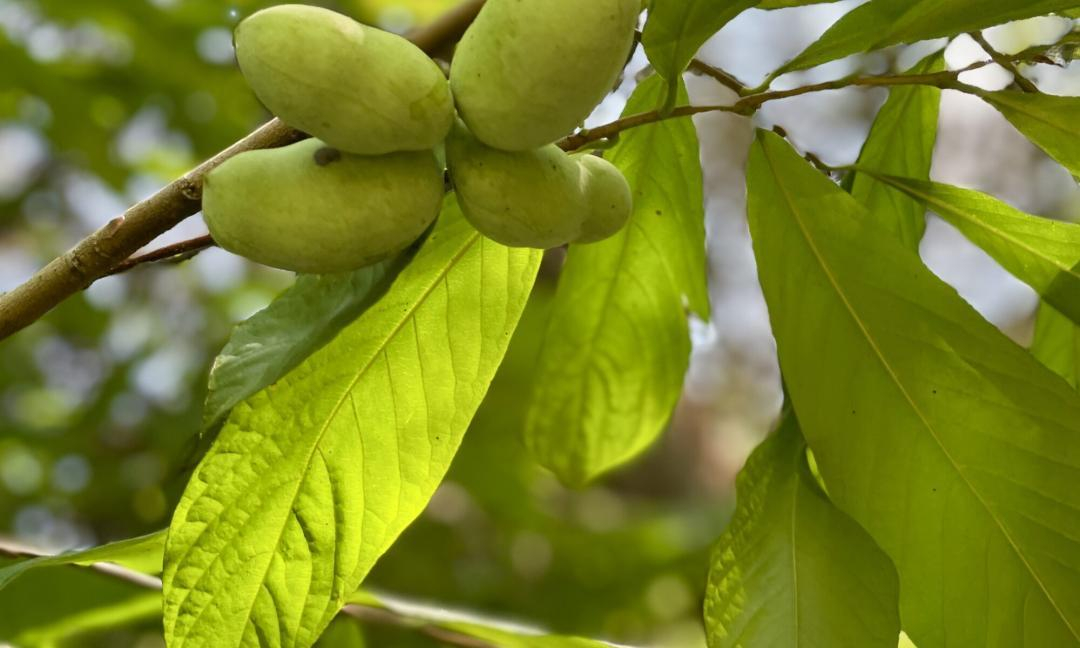
Feb Pawpaw 2000x1200Pawpaws are best eaten raw, but are also crafted into foods like ice cream and soda. The custard-textured pulp tastes similar to a cross between a banana and mango. Karen Caspary/UTIA

Is that a pawpaw in your pocket? Come celebrate the fruit of the woods this weekend.

KNOXVILLE The city celebrates a ubiquitous but largely underappreciated native forest fruit this weekend with the second installment of the Pawpaw and Wildcraft Festival.

There will be local food, craft beer and live music as Knoxville joins the list of cities celebrating the eastern North American trees.  The event is set for 5 p.m. Sunday, Aug. 30 at Trailhead Beer Market, 1317 Island Home Ave. In South Knoxville. 

Knoxville attorney and activist Chris Irwin, one of the principal organizers (along with Joy Grissom and Lenny Zonda), told Hellbender Press to expect an even bigger and better paw-paw-palooza this year. He is a proponent of the tree as a both rural and urban food source for wildlife and humans. Pawpaw grows in the understory, and is actually thriving in most areas as farmland returns to woodlands (it also has a natural toxin that repels deer), but climate change will alter forest types. Either way, Irwin said, it's an underutilized resource that should be better ballyhooed.

The festival features other native plants, wildcrafting discussions, urban and rural gardening, pawpaw fruit sharing and seed swapping. Wildcrafting is the practice of sustainably harvesting uncultivated plants, herbs, roots and fungi from their natural or wild habitats for food, medicine or crafts.

Pawpaw is hardly a new thing that grows under the sun; indigenous people and early settlers of North America were naturally locavores, and vitamin-C-rich pawpaws were a staple of diets from the midwest to most of the Eastern Seaboard. They are the largest North American edible fruit and were made into nutritious foods, including cakes and drinks. 

Festival organizers encourage people to bring their champion pawpaws and recipes, using local foods.

Every part of the tree can be useful; Cherokee used the inner bark to make ropes.

Today, butterfly gardeners also prize pawpaw trees as edible ornamentals, attracting zebra swallowtails. In their caterpillar stage, pawpaws are their favorite food. 

Ripening in late August through October, pawpaws are described as having a creamy, custard-like flesh with a sweet tropical flavor profile resembling a cross between banana, mango and pineapple. They're not sold in standard grocery stores because the fruit is extremely fragile, bruises easily, and has a very short shelf life of two to three days once ripe. And, unlike some other fruits, they do not continue to ripen once harvested.  

Although never common, some commercial cultivation of pawpaws remains, mostly in Ohio.  

Some of these native pawpaw trees (asimina triloba) — they can also be classified as large shrubs — settlers found growing wild are now heritage, or heirloom, plants, meaning their seeds have been passed down generation to generation to keep a pawpaw's special characteristics.

The University of Tennessee Institute of Agriculture noted a resurgence in the pawpaw tree's popularity and offered tricks and tips for pawpaw growers, harvesters and the just plain pawpaw-curious.


Rate this item
(1 Vote)
Last modified on Friday, 28 August 2026 23:13
Published in News
More in this category: « Mountain angel flies home