NPS is invoking emergency authority in this action, which bypasses certain processes such as a standard public comment period. Instead, they held “open house style” meetings in Asheville, Boone, and Galax over three days in May with one week of notice. There were no microphones, no public record, and no collective voice. Attendees rotated between stations in free form, similar to a science fair, while NPS staff answered individual questions in isolation.
The emergency designation also invoked a clause in the Endangered Species Act that waives necessary consultation with wildlife experts on potential harm to vulnerable species or habitat before work begins. That means any impacts the project may have on threatened species wouldn’t get reported until the project is already underway or even finished, rendering the power of that reporting essentially moot. This is especially concerning since logging is planned in biodiversity hotspot areas like the stretch between Craven Gap and Elk Mountain Road.
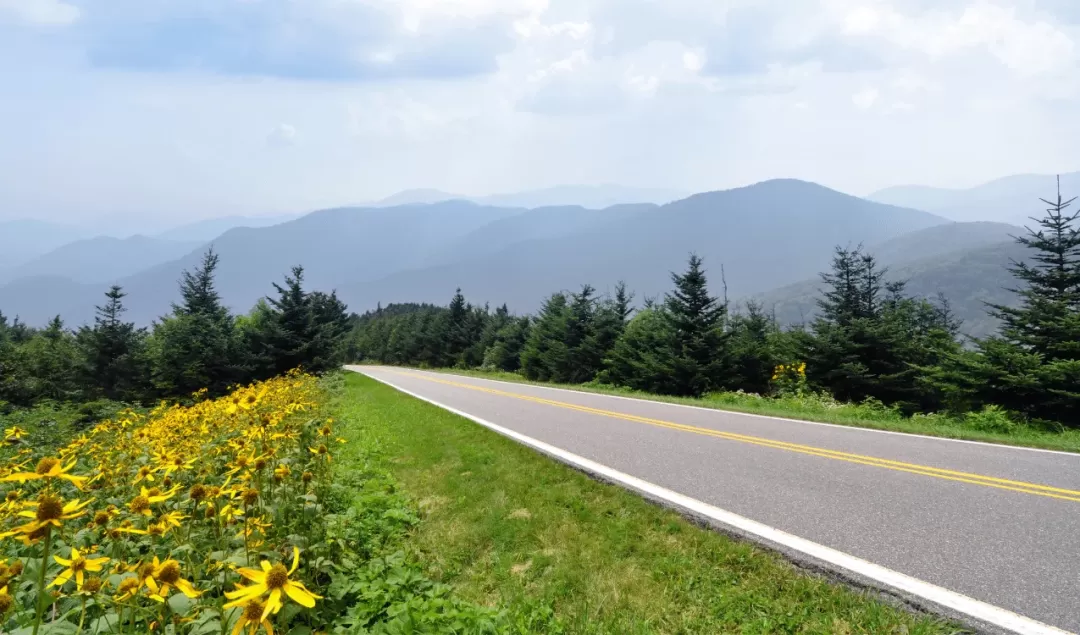
This corridor is home to one of North Carolina’s largest known populations of cerulean warblers, which migrate over 2,500 miles annually from South America to breed. It also harbors rare and endemic plant species that grow delicately alongside massive oak and recovering chestnut trees. If NPS can wait two years after a disaster to use emergency authority in moving forward with debris removal, surely they could afford a bit more time to go through a review process?
“There is a right way to balance the need to reduce wildfire risk and the National Park Service’s mission to preserve nature for future generations,” explains Josh Kelly, the Resilient Forests Director at MountainTrue. “That balance would look like a more targeted project creating a 100 to 200 foot defensible perimeter around structures. Fear is being used to sell a project many times larger than is necessary.”
The “home ignition zone,” or HIZ, is widely recognized and backed by wildfire researchers who understand the primary fire risk is within 100-200 feet of a home. However, the NPS plan calls for fuel removal extending up to 500 feet from some structures, and in some areas up to 1,200 feet. A targeted approach focused on the HIZ and smaller fuel loads near roads, trails and homes using chainsaw crews would address the actual risk without sending heavy machinery deep into mature forest.
Logging roads and landings would compact hillsides, increase erosion, and create severe gaps that invite invasive species to spread. In a landscape still destabilized from Helene’s landslides, bringing heavy equipment and creating more disturbance has real ecological consequences, in addition to driving tourism away. Even if we weren’t given the opportunity to weigh in, we can still speak up for our Parkway. MountainTrue and other organizations have been pushing for transparency and a seat at the table, asking NPS to listen.
Join us, and find our petition here.